


Home » ADHD
ADHD
Finding the Light: How Cannabis Can Offer a Path Through Depression
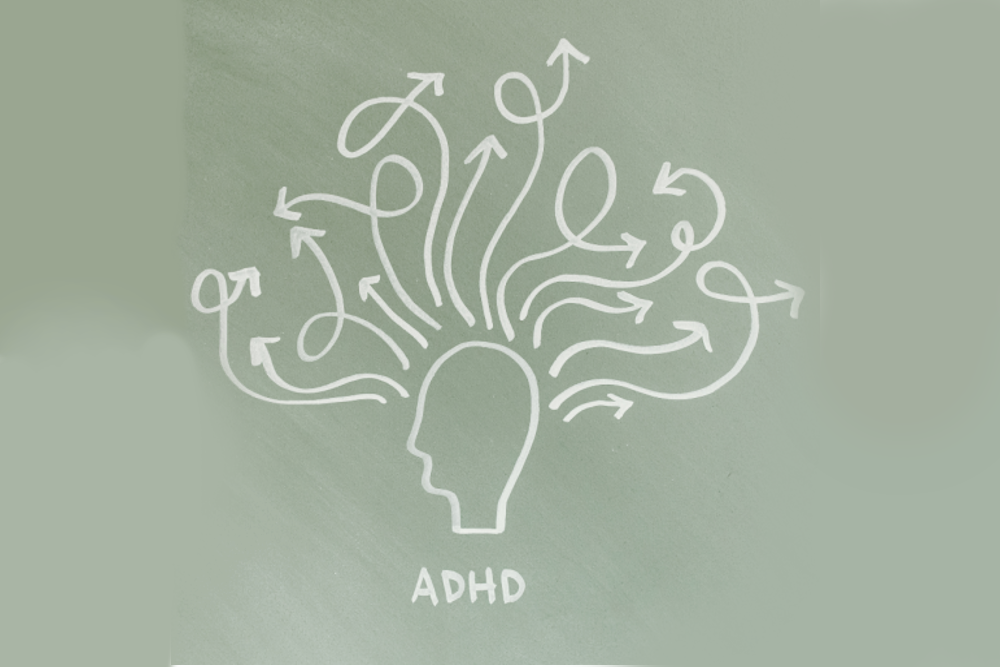
ADHD, or attention-deficit/hyperactivity disorder, is a common neurodevelopmental condition characterized by a persistent pattern of inattention, hyperactivity, and impulsivity that significantly interferes with daily functioning in multiple settings. Symptoms, which are present in both children and adults, include difficulty paying attention, organizing tasks, sitting still, and controlling impulses. While there is no single cause, it’s believed to result from a combination of genetic and environmental factors. Effective treatments, such as medication and therapy, are available to help manage symptoms.
Core Symptoms ADHD symptoms fall into three main categories:
To understand how cannabis may help, we first need to look at the body’s own regulatory network: the Endocannabinoid System (ECS). Think of the ECS as your body’s master conductor, orchestrating a symphony of functions that maintain balance, or homeostasis. It plays a crucial role in regulating mood, sleep, appetite, stress response, and pain—all of which are deeply impacted by depression.
The cannabis plant produces compounds called cannabinoids (like THC and CBD) that interact with this same system. When you consume cannabis, these cannabinoids can help supplement or modulate your body’s own endocannabinoids, potentially helping to restore balance where it has been lost.
- THC (Tetrahydrocannabinol): The most well-known cannabinoid, THC binds directly to cannabinoid receptors in the brain, mimicking a molecule called anandamide, often dubbed the “bliss molecule.” This interaction can lead to feelings of euphoria, relaxation, and a temporary lift in mood, which can provide a powerful respite from the weight of depressive thoughts.
- CBD (Cannabidiol): A non-psychoactive cannabinoid, CBD works more indirectly. It doesn’t produce a “high” but is known for its profound therapeutic effects. CBD is believed to influence serotonin receptors in the brain, the same target for many common antidepressant medications. This can help reduce anxiety, which often co-occurs with depression, and promote a sense of calm without intoxication.
Potential Benefits of Using Cannabis for Depression
By engaging with the Endocannabinoid System, cannabis may offer several key benefits for those navigating depression:
- Mood Elevation: Certain strains, particularly those rich in THC, can provide an immediate uplifting effect, helping to break cycles of negative thinking and introduce moments of joy or peace.
- Anxiety Reduction: High-CBD strains or balanced THC/CBD products can be incredibly effective at quieting the racing mind and physical symptoms of anxiety, creating a more stable mental foundation.
- Improved Sleep: Depression often wreaks havoc on sleep patterns. Indica-dominant strains are known for their sedative qualities, helping to quiet the mind and body, making it easier to fall asleep and stay asleep. Better sleep is fundamental to mental health recovery.
- Restoring Appetite and Motivation: For those who experience a loss of appetite or the drive to engage in life (anhedonia), cannabis can act as an appetitive stimulant and a motivational catalyst, making food more enjoyable and activities feel more manageable.
- A Moment of Respite: Sometimes, the greatest benefit is simply a break. Cannabis can provide a temporary pause from the relentless internal monologue of depression, offering a window of clarity, laughter, or simply neutrality that can be profoundly healing.
Finding Your Balance: Strains, Cannabinoids, and Consumption
Navigating the world of cannabis for depression is a personal journey. What works for one person may not work for another. Here’s a guide to finding what might work for you.
The Entourage Effect: This is the theory that all the compounds in the cannabis plant—cannabinoids, terpenes, flavonoids—work better together than they do alone. This is why many people find whole-plant products more effective than single-cannabinoid isolates.
Strain Selection:
- Sativa: Often associated with uplifting, cerebral, and energizing effects. Sativas may be beneficial for daytime use to combat fatigue and low mood. Caution: In some individuals, high-THC sativas can sometimes trigger anxiety or paranoia.
- Indica: Known for its deeply relaxing, calming, and sedative “body-high.” Indicas are typically recommended for evening use, for pain relief, and to combat insomnia.
- Hybrid: The most common type of strain, offering a blend of Sativa and Indica effects. Hybrids can be balanced (50/50) or Indica/Sativa-dominant, allowing for a tailored experience.
Cannabinoid Ratios (THC:CBD):
- High-CBD, Low-THC (e.g., 20:1): Ideal for those new to cannabis or who are sensitive to THC. This ratio offers significant therapeutic benefits for anxiety and inflammation with minimal psychoactive effects.
- Balanced (1:1): A great starting point for many. The CBD helps to moderate the psychoactivity of the THC, while the THC provides mood-lifting properties. This ratio can offer a gentle, functional experience.
- Higher-THC: For experienced users, a higher THC content may be more effective for severe mood elevation and stimulating appetite. This should be approached with caution.
A Word of Caution: Navigating Your Journey Responsibly
Cannabis is a powerful tool, but it is not a magic bullet. It’s essential to approach it with care and respect.
- Consult a Professional: This information is not a substitute for medical advice. Always speak with a healthcare professional or a knowledgeable medical cannabis doctor before starting or changing your treatment plan, especially if you are already taking other medications.
- Start Low, Go Slow: This is the golden rule. Begin with a very small dose and wait to see how it affects you before consuming more. The effects of inhaled cannabis are felt within minutes, while edibles can take 60-120 minutes to kick in.
- Listen to Your Body: Pay close attention to how different strains and consumption methods make you feel. Keep a simple journal to track your experiences.
- It’s a Tool, Not a Cure: Think of cannabis as one part of a holistic wellness strategy. Its benefits are amplified when combined with therapy, exercise, a healthy diet, and strong social connections.
A New Path Forward
Living with depression is a battle fought one day at a time. While the journey is deeply personal, cannabis offers a promising, plant-based ally for many. By interacting with our body’s own systems to potentially restore balance, it can provide relief, rest, and a much-needed moment of light in the darkness. Through mindful exploration and responsible use, it can become a valuable tool in your toolkit for reclaiming your wellness and finding your way back to yourself.
"Please always consult with your doctor before using cannabis for medical purposes. If you’re interested in exploring how cannabis can help with your condition, make an appointment now with our doctor to discuss your options and determine the best treatment for your needs."
